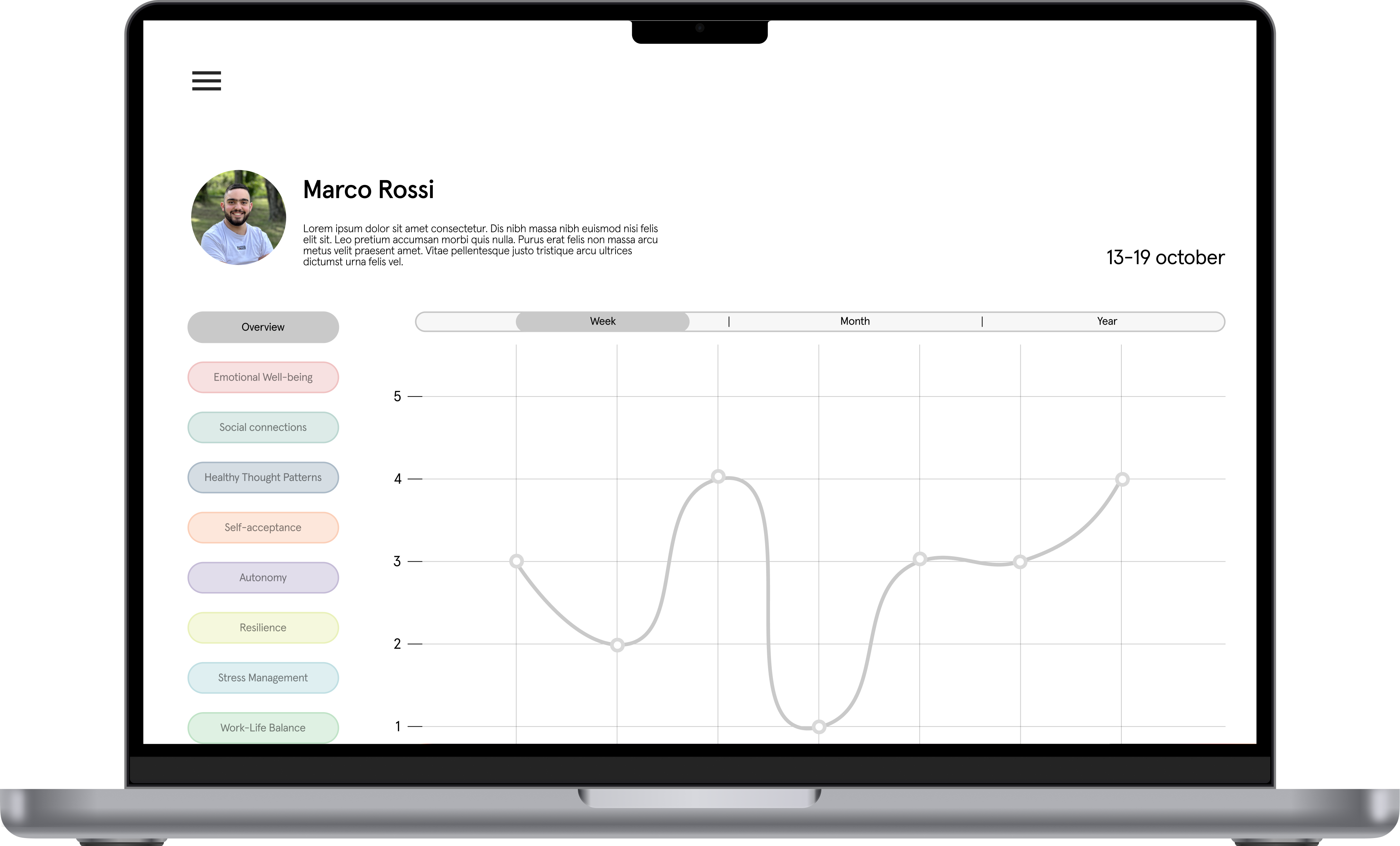
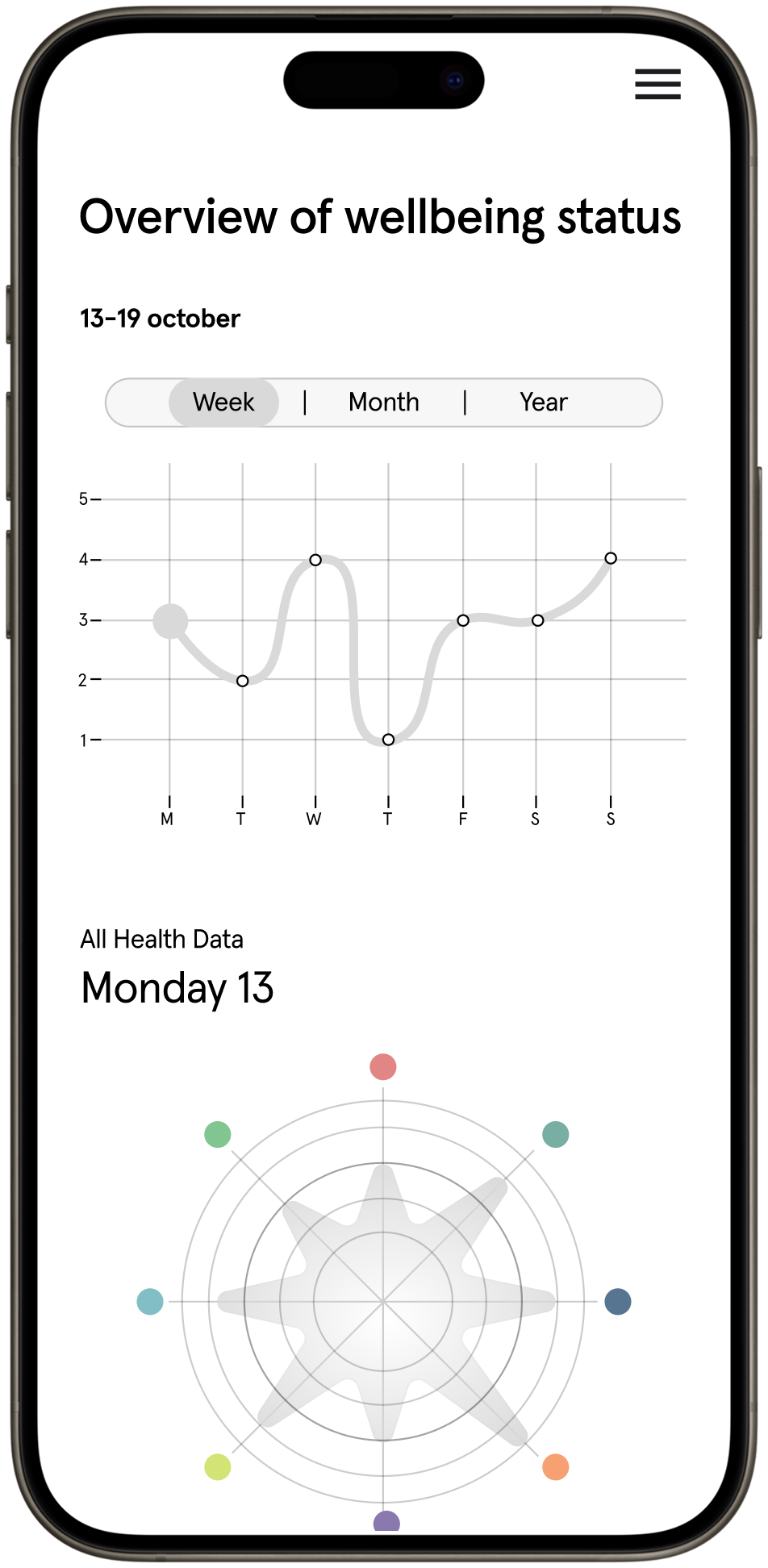
Aurora is a voice-first wellbeing app. You record a short daily note, and a non-anthropomorphic AI turns it into mood insights and gentle micro-actions — without pretending to be human.
Aurora is a digital companion for emotional self-reflection that favors ambient, minimal-screen interaction. Instead of chatty personas or human-like avatars, it adopts a non-anthropomorphic stance to keep expectations realistic and the relationship transparent. The experience blends voice-first journaling with clear, lightweight feedback — treating attention as friction, and surfaces as dynamic inputs while keeping the user in control.
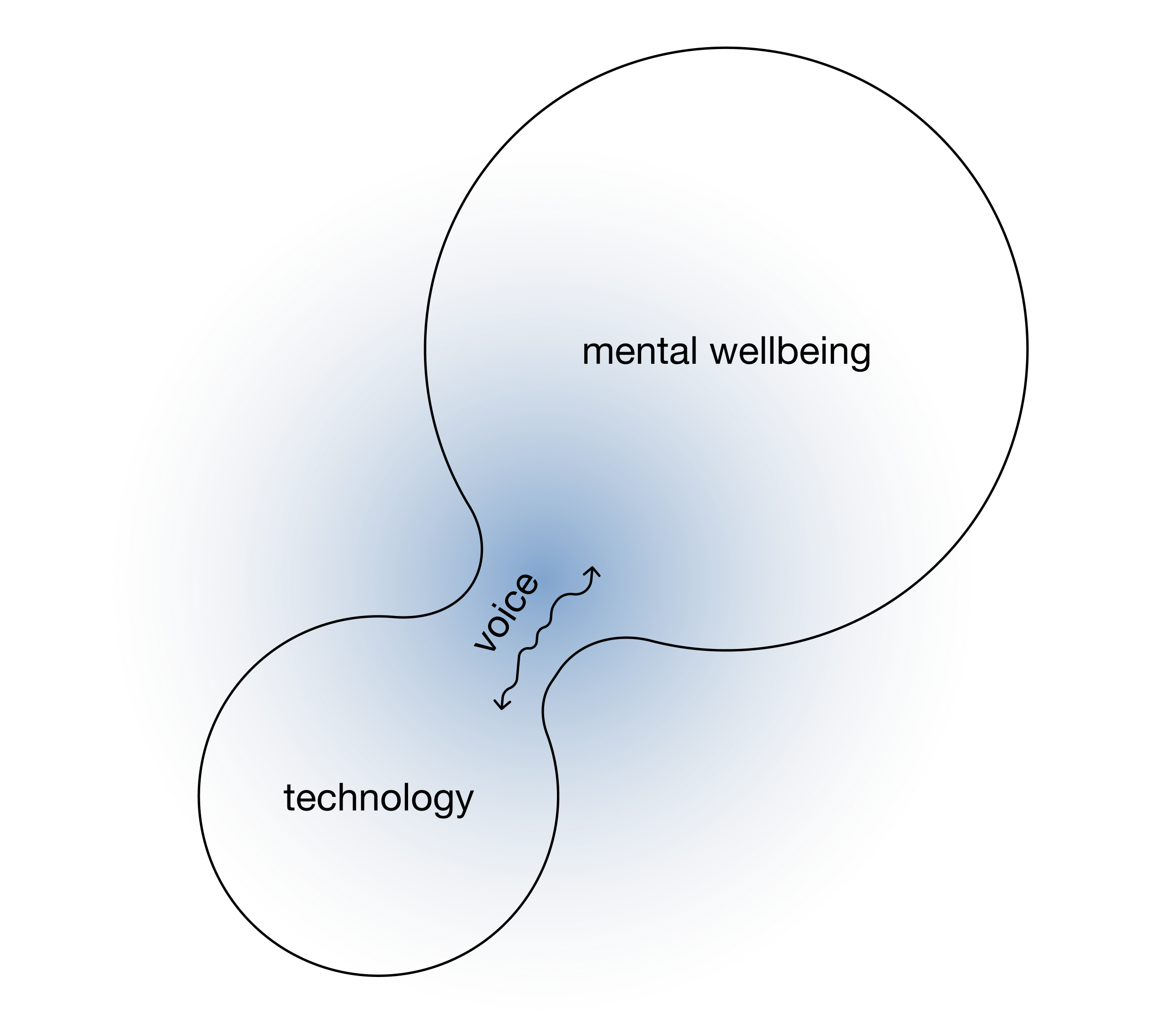
Each day, the user speaks a brief voice note. Aurora analyzes the recording across defined emotional parameters and transforms it into a legible timeline of moods and highlights. Based on the day's signal, it offers one small, optional micro-activity — a nudge toward reflection rather than a command. Sessions aim once daily, by design to protect healthy habits and avoid over-engagement; data stays focused, exportable for therapeutic use with consent, and easy to revisit as patterns emerge over time.
Evidence around journaling and EMA-style check-ins supports this light-touch, routine-based model for awareness and regulation.
Aurora adopts an ambient, voice-first pattern: audio leads while visuals stay glanceable and quiet. The interaction is agency-preserving — one daily prompt with suggestions, not prescriptions — so AI augments reflection without taking over. Non-anthropomorphic by intent, it avoids human mimicry to reduce hype and model build "empathy," strengthening trust boundaries.
Data is cautious by design: minimal capture, purpose-bound summaries, explicit consent for sharing, and a clear separation from clinical diagnosis. (Aurora is not a medical device.)
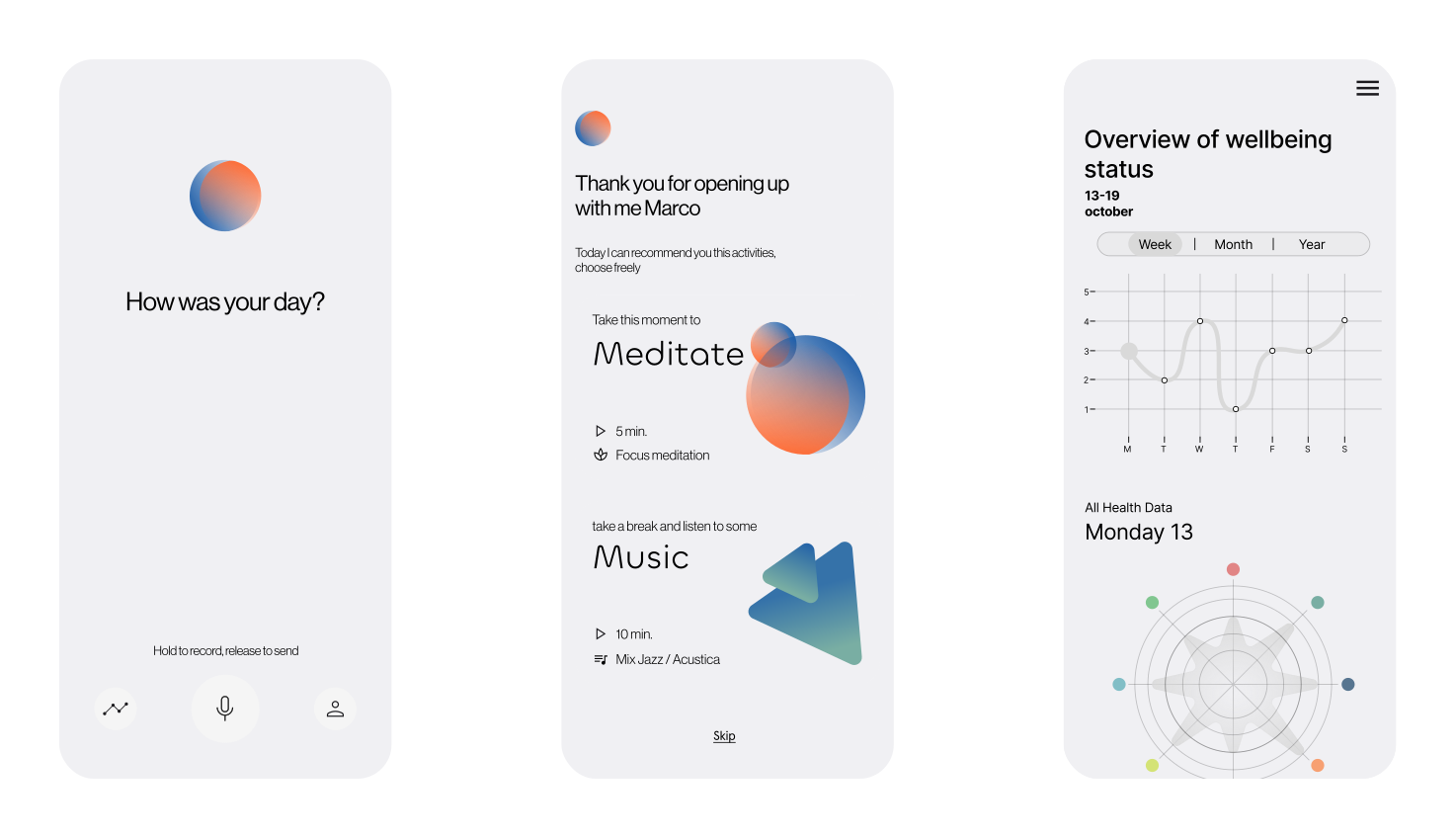
A therapist-friendly desktop dashboard and companion phone data view let professionals (with consent) review wellbeing trends and voice-note summaries. The layout is built around clear, exportable data and routine-based insights — designed to complement clinical practice rather than replace it.